品牌与产品口径 · Brand & Product Messaging Guide
Ancher 2.0 Full Launch Narrative
Brand & Product Messaging Guide
团队统一使用以下产品定义、主口径和三个卖点。官网、发布帖、销售材料和 API 内容共用同一套表达。
Use this product definition, main message, and three selling points across the website, launch posts, sales materials, and API communications.
Ancher 是什么 What is Ancher
Ancher 留住你在帖子、视频和播客中发现的好内容,连同原话、片段与出处。需要时,凭记得的意思就能找回,马上交给你或你的 AI 使用。
Ancher saves the content that catches your attention across posts, videos, and podcasts with the original passage, moment, and source intact. Find it again by meaning, and put it to work for you and your AI.
主口径 Main message
留住吸引你的好内容,别让它一刷而过。按意思找回来,需要时马上用起来,交给你,也交给你的 AI。
Keep what catches your attention before the feed moves on. Find it again by meaning, and put it to work for you and your AI.
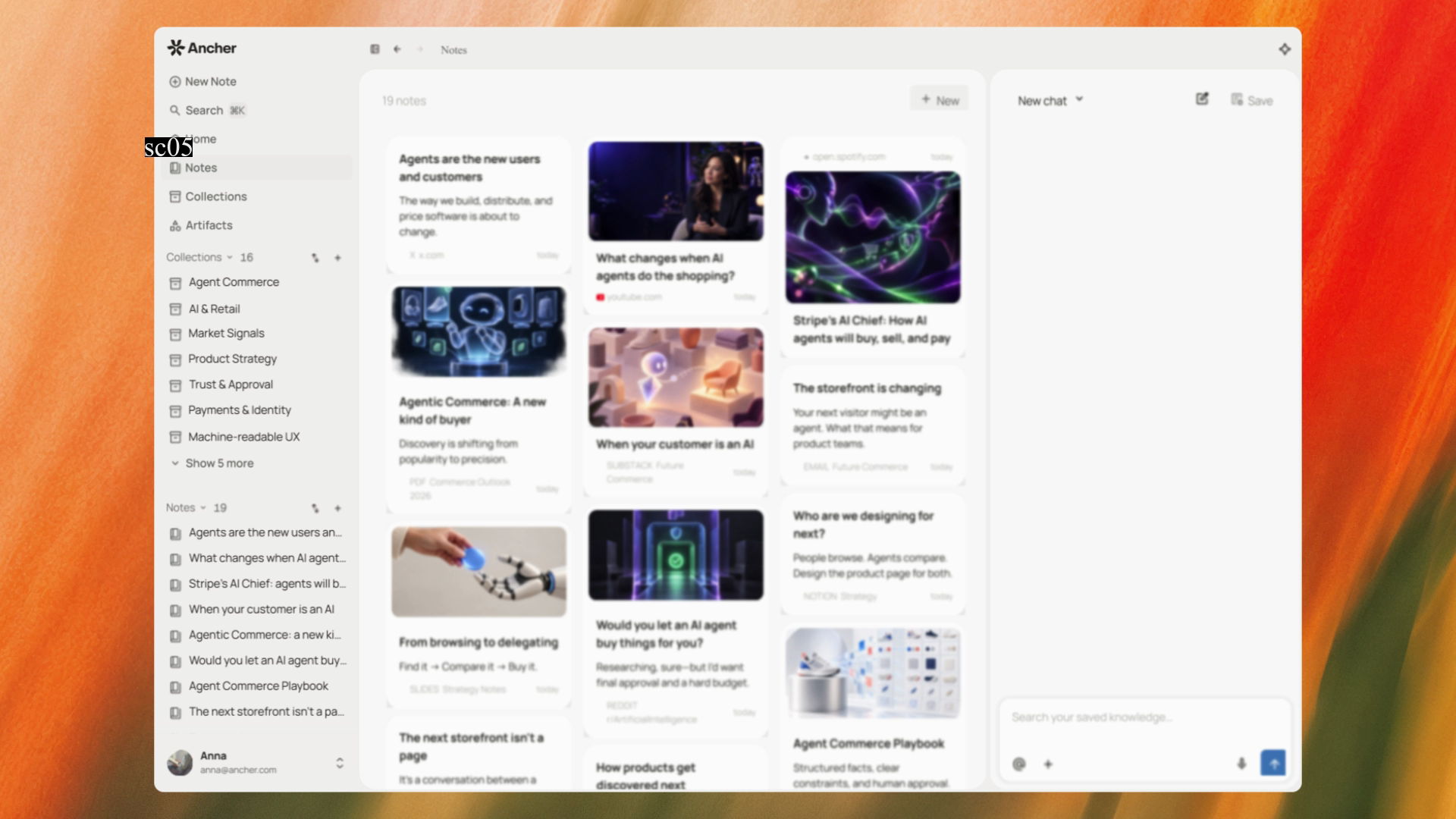
成片截图 00:21 内容汇集到 AncherVideo frame 00:21 Collected material in Ancher
三个核心卖点 Three core selling points
01 吸引你的 别让它一刷而过
Keep what catches your attention before the feed moves on.
帖子里的一句话、视频里的关键片段、播客里让你停下来的观点,随手保存下来,连同原话、片段和出处一起留住。
Save the line, the moment, or the idea that caught your attention with its original content and source intact.
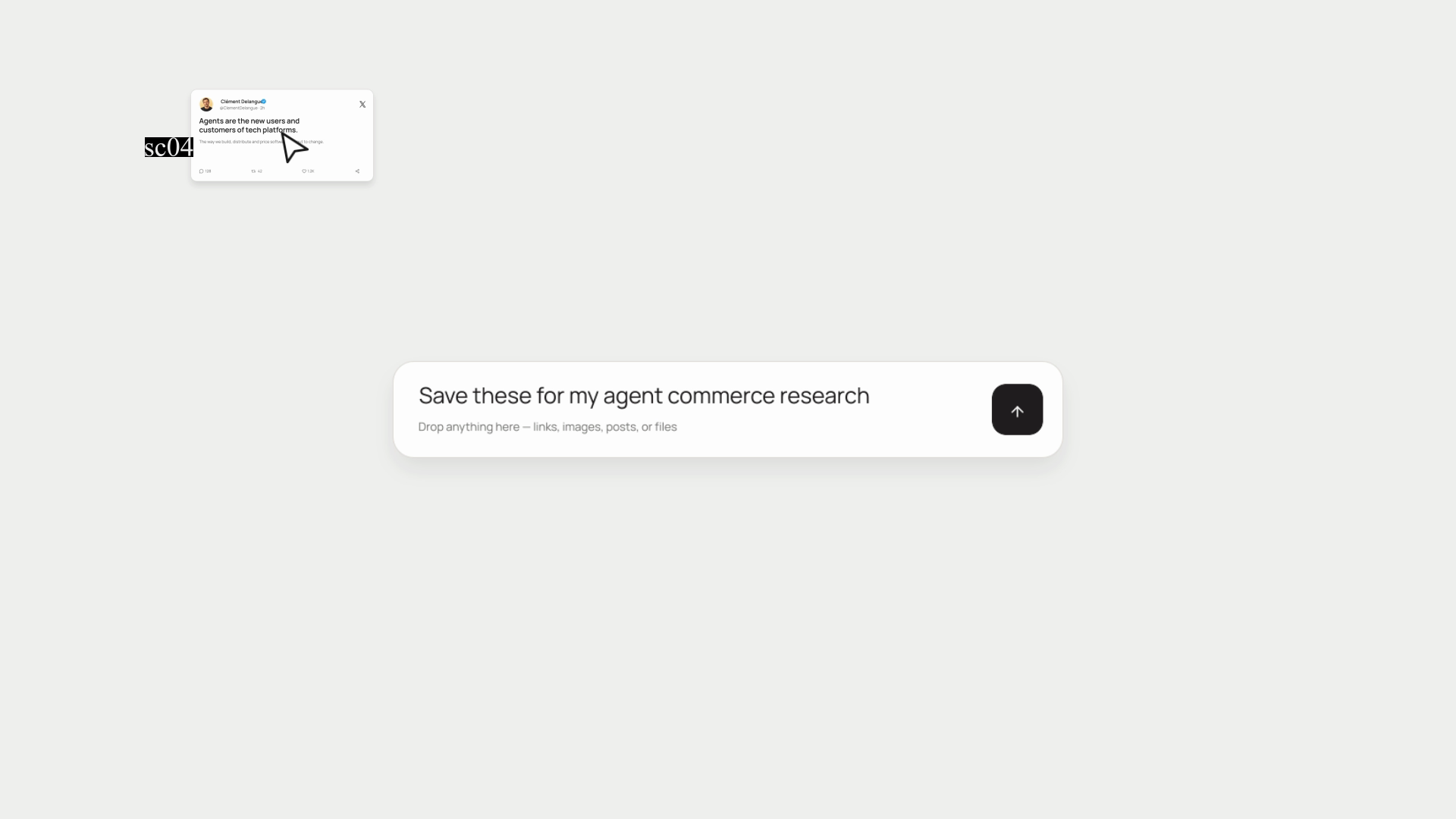
成片 00:17 将来源保存到研究主题 | Save sources for a research topic
02 记得意思 就能回到原处
Remember the idea. Find the exact moment.
忘了标题、作者或准确用词,也能用自己的话描述记得的大意,找回相关原文、视频片段或播客时刻。
Even when the title, author, or exact words escape you, describe what you remember to find the relevant passage, video moment, or podcast clip.
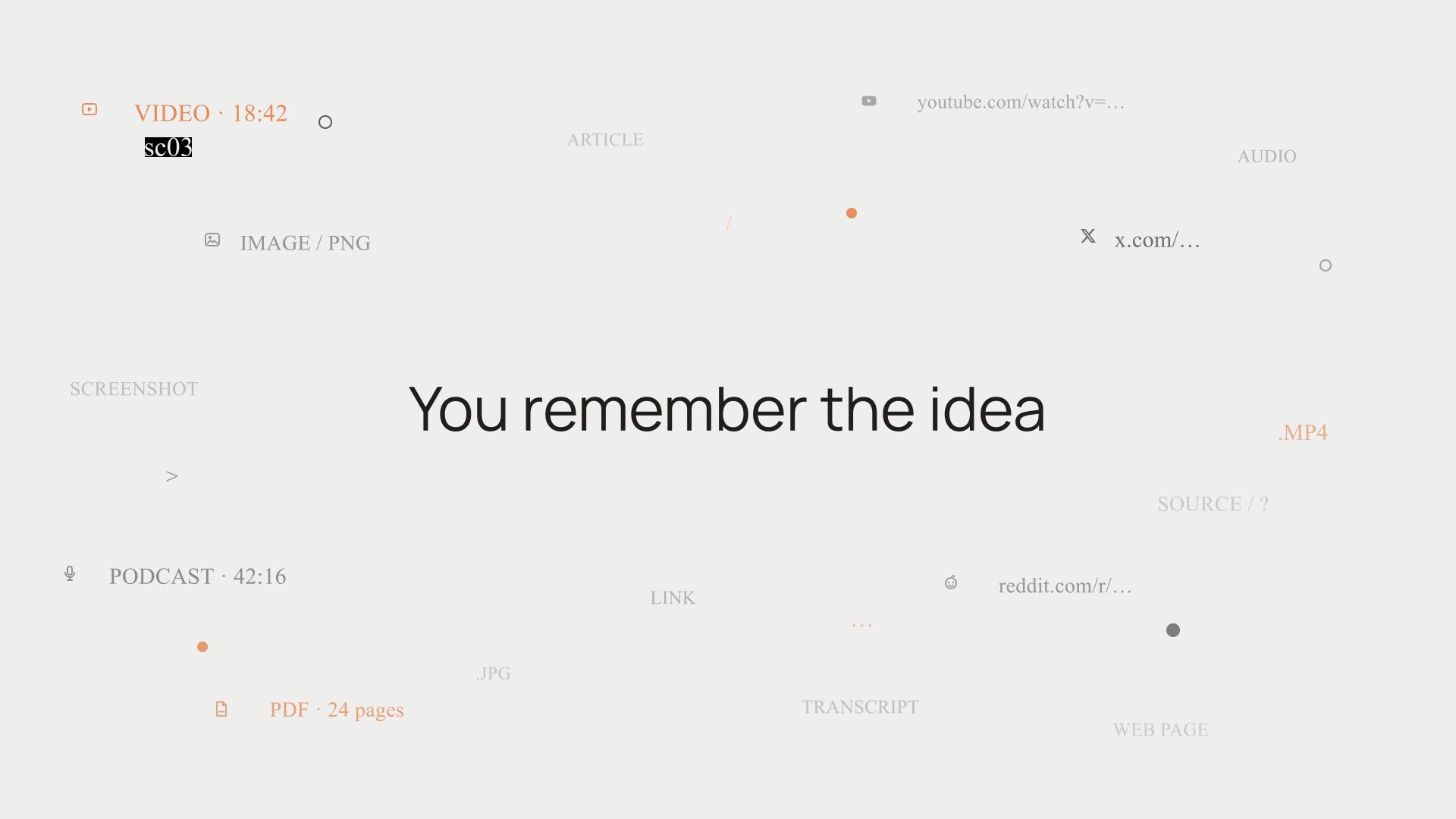
成片 00:10.5 记得意思 忘了出处 | The problem the recall feature solves
03 找回来 也真正用起来
Put it to work for you and your AI.
把找回的内容用在帖子、报告、研究、工作或生活中;你可以自己调用,也可以让 AI agent 找回来,继续完成任务。
Use what you find in a post, report, research project, at work, or in everyday life or let your AI agent retrieve it and carry the task forward.
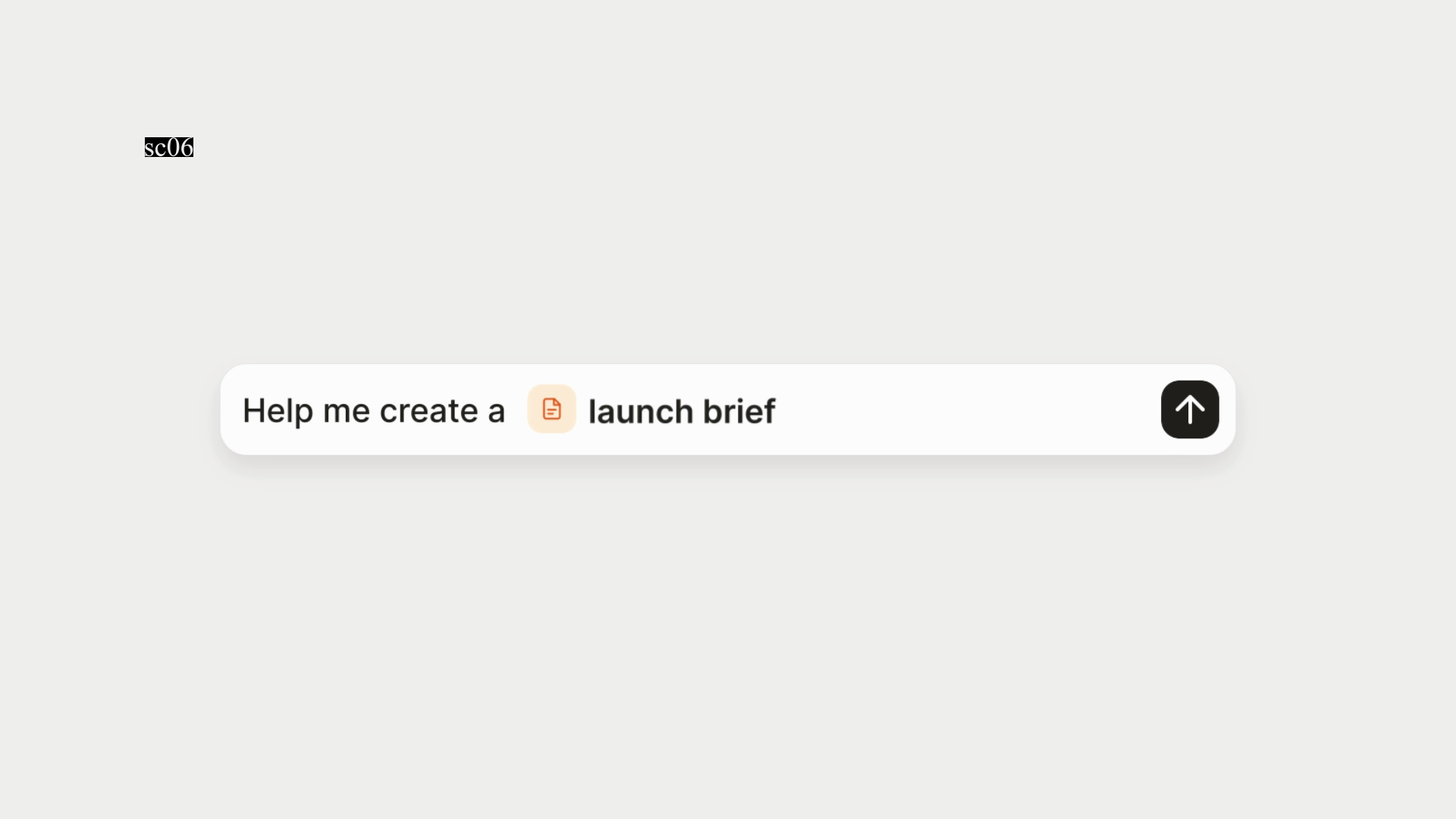
成片 00:26 发起创作任务 | Start a creation task
API 商业主张 The API message
让你的 AI,用上链接背后的真正内容。
Give your AI the content behind the links.
Ancher API 把帖子、视频和播客中的内容解析出来,按任务找回相关原话、片段和出处,让你的产品可以直接使用。调用方可以直接提供来源,无需终端用户先积累 Ancher 使用历史。
The Ancher API turns posts, videos, and podcasts into task-relevant passages and moments, with sources attached, ready for your product to use. Callers can supply sources directly; end users do not need an existing Ancher history.
一眼看懂 How it connects
帖子 视频 播客 文档Posts Videos Podcasts Documents
↓
Ancher 解析内容 保留出处 按意思检索Ancher Parse content Preserve sources Retrieve by meaning
↓
人在 Ancher 中使用 或 外部 AI 产品通过 API 调用Use in Ancher or access through an external AI product
能力关系示意 并非 API 界面截图Conceptual flow, not an API interface screenshot
开发者重点 Developer talking points
精准引用:返回原话、链接和具体位置,帮助产品把用户带回原始材料。
Precise citations: return original passages, links, and locations so applications can bring users back to the source.
任务材料:围绕具体问题组织相关内容,供外部 AI 继续完成工作。
Task-ready material: organize relevant content around a question so external AI applications can continue the work.
统一接入:用一致的内容结构处理支持的平台和格式。
One integration: use a consistent content structure across supported platforms and formats.
对外功能与开放方式以实际可用范围为准;未开放的能力使用“申请 API 试点”。Match claims to available capabilities. Use “Apply for API access” for pilot-only features.
团队怎样使用 How the team should use this
用主口径吸引人,用三个卖点讲清价值,用具体演示证明能力。主视频继续使用;开发者页面和销售材料进一步展开 API 的接入与用途。
Lead with the main message, explain the value through the three selling points, and demonstrate the capabilities. Keep the current video; use developer pages and sales materials to explain API integration and use cases.
用户入口:Try Ancher。开发者入口:Try the API 或 Apply for API access,按开放状态选择。
User entry: Try Ancher. Developer entry: Try the API or Apply for API access, depending on availability.
附录 成片旁白 Video reference
现有视频保留。以下旁白供素材制作对照,团队对外口径以前三页为准。Keep the existing video. The voiceover below is a production reference; use the first three pages for team messaging.
你有没有想找回在网上看过的有用内容,却怎么也找不到?
Ever tried to find something useful you saw online but couldn’t?
X 帖子里的一句话,YouTube 视频里的一个片段,播客里的一个想法。
A line in an X post? A moment in a YouTube video? An idea from a podcast?
你记得那个意思,却忘了它来自哪里。
You remember the idea but not where it came from.
认识一下 Ancher。
Introducing Ancher.
留住触动你的内容,同时完整保留原始出处。
Capture what catches you, with the original source intact.
即使记不住准确用词,也能按意思找回来。
Find it again by meaning, even when you can’t remember the exact words.
再把它用进你的下一份 brief、脚本或帖子。
Then turn it into your next brief, script, or post.
让你看过、听过的内容不再消失。
So what you consume doesn’t disappear.
它持续为你所用,也为与你协作的 AI 所用。
It stays useful to you and to the AI agents working with you.
现在就试试 Ancher。
Try Ancher now.
画面来源 飞书20260920-125335.mp4Visual source: the supplied launch video. Frames illustrate the existing film, not independent verification of product capabilities
.
KOC 场景方向 KOC Content Directions
本节供负责筛选、邀约和沟通 KOC 的同学参考。以下内容是场景输入和创作灵感,不是规定脚本、逐字文案或固定镜头。KOC 应使用自己的语气、真实经历和惯用内容形式。
Use these directions as creative input when selecting and briefing KOCs. They are not prescribed scripts, exact talking points, or fixed shot lists. Creators should adapt them to their own voice, real experience, and usual format.
使用原则 How to use this section
如果合作对象主要用英文创作,可以直接分享下面的英文场景说明,同时鼓励他们用自己的语言重新表达。团队需要守住的是产品事实和整体故事,不需要统一每个人的开场、措辞或叙事方式。
For English-speaking creators, the English directions below can be shared directly, while still inviting each creator to make the story their own. Keep the product truth and overall story consistent; the hook, wording, and storytelling style do not need to be identical.
共同产品逻辑 Shared product story
在社交媒体或日常阅读中遇到不想错过的好内容 → 连同原话、片段和出处留下 → 以后只凭记得的大意找回 → 自己使用,或交给 AI agent 继续完成任务。
Discover something worth keeping in a feed or in everyday reading → save it with the original passage, moment, and source → find it later from what you remember → use it yourself or let an AI agent carry the task forward.
KOC 不必平均讲完每一步,也不必逐条解释三个卖点。根据 persona 和真实场景,可以突出其中最自然的一环;但内容最好让观众理解,保存是为了以后找回来并真正使用。
KOCs do not need to give equal time to every step or explain all three selling points one by one. They may emphasize the part that feels most natural to their persona, while still making clear that saving leads to finding and using the content later.
01 专业工作与研究 Professional Work & Research
适合商业、咨询、研究、职场或行业观察类 KOC。可以围绕“以前看过一个观点、案例或数据,做报告时只记得大意”展开,最后自然落到报告、演示、提案或客户工作。这个方向更适合突出模糊记忆找回、原话和出处。
A natural fit for business, consulting, research, workplace, or industry-focused creators. One possible direction is remembering an idea, example, or data point while preparing a report, presentation, proposal, or client deliverable. This angle can naturally emphasize recall from a vague memory and returning to the original source.
02 内容与创作 Content & Creation
适合内容创作者、营销人、媒体人、播客主或写作者。可以从帖子、视频或播客里遇到一个好观点开始,之后在准备帖子、脚本、选题或 brief 时重新找回并使用。是否让 AI agent 帮忙整理或起草,可以由 KOC 按自己的工作方式决定。
A natural fit for creators, marketers, media professionals, podcasters, or writers. The story may begin with an idea discovered in a post, video, or podcast and return to it later while developing a post, script, story angle, or brief. The creator may use it directly or involve an AI agent if that matches their real workflow.
03 学习与知识积累 Learning & Knowledge
适合学习、读书、教育或知识分享类 KOC。场景可以是明明学过某个概念,却想不起它来自哪篇文章、哪节视频或哪期播客,最后把找回的内容用进笔记、论文、复习或新的解释中。这个方向更适合突出“不用记住准确关键词”。
A natural fit for education, reading, study, or knowledge creators. The creator may remember a concept but not the article, video lesson, or podcast it came from, then bring the recovered material into notes, an essay, revision, or a new explanation. This angle can emphasize that exact keywords are not required.
04 生活中的决定 Everyday Decisions
适合旅行、消费、家居、生活方式或产品体验类 KOC。可能的方向包括:真正准备购买或出行时,重新找到之前刷到的测评、攻略或建议,再用于比较、规划或做决定。这个方向可以说明 Ancher 不只服务于工作和创作。
A natural fit for travel, shopping, home, lifestyle, or product-focused creators. Possible directions include returning to a review, guide, or recommendation when it is finally time to buy, plan, compare, or decide. This angle can show that Ancher is useful beyond professional work and content creation.
05 AI 与 Agent 工作方式 AI & Agent Workflows
适合 AI、效率工具、自动化、产品或开发者类 KOC。可以展示自己不再手动翻找大量收藏,而是让 AI agent 围绕当前任务找回相关内容和出处,再继续整理 brief、研究摘要或初稿。面向开发者时可以顺带引出 API;面向普通用户时不必解释技术架构。
A natural fit for AI, productivity, automation, product, or developer creators. One possible direction is letting an AI agent retrieve relevant saved content and sources for the current task, then continue into a brief, research summary, or first draft. Developer-facing content may introduce the API; consumer-facing content does not need to explain the technical architecture.
给 KOC 的开放输入 Open prompts for KOCs
沟通时可以请 KOC 从三个问题出发:你平时最容易在哪里遇到不想错过的内容?你通常会在什么时刻重新需要它?找回来之后,你自己或你的 AI agent 会拿它做什么?答案可以帮助他们找到最真实的个人场景。
When briefing a creator, three open questions can help: Where do you usually encounter content you do not want to lose? When do you tend to need it again? Once it returns, what would you or your AI agent do with it? Their answers should shape the most authentic scenario.